Frank Lloyd Wright’s Southwestern Pennsylvania
April 13, 2024–October 5, 2025
April 13, 2024–October 5, 2025
Frank Lloyd Wright, one of America’s most renowned architects, left a lasting impact on Southwestern Pennsylvania. Between the 1930s and 1950s, he completed major projects and proposed bold designs for clients such as Edgar Kaufmann. This exhibition celebrated his built works while exploring how his unbuilt designs could have transformed the region’s cities, suburbs, and rural areas.
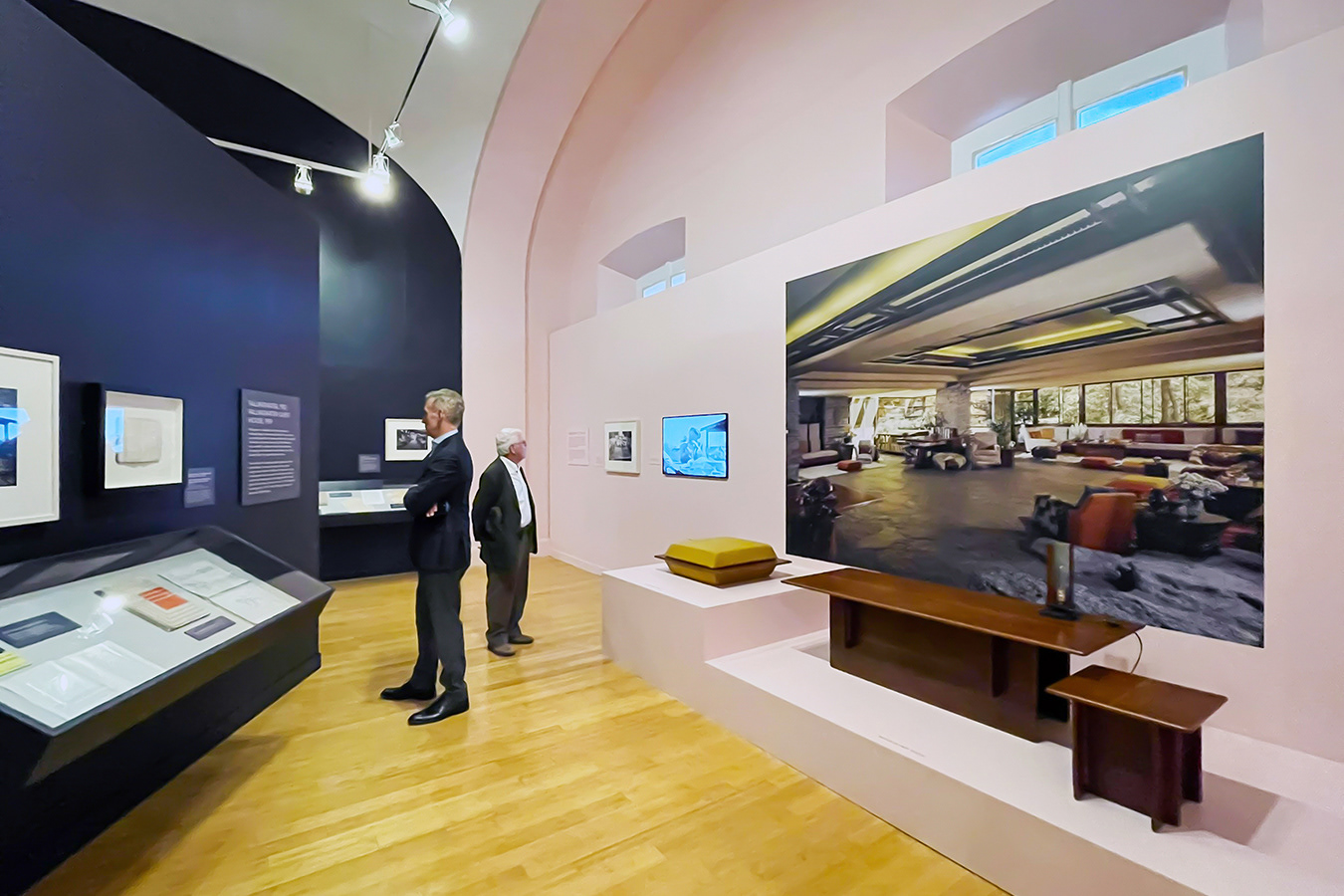
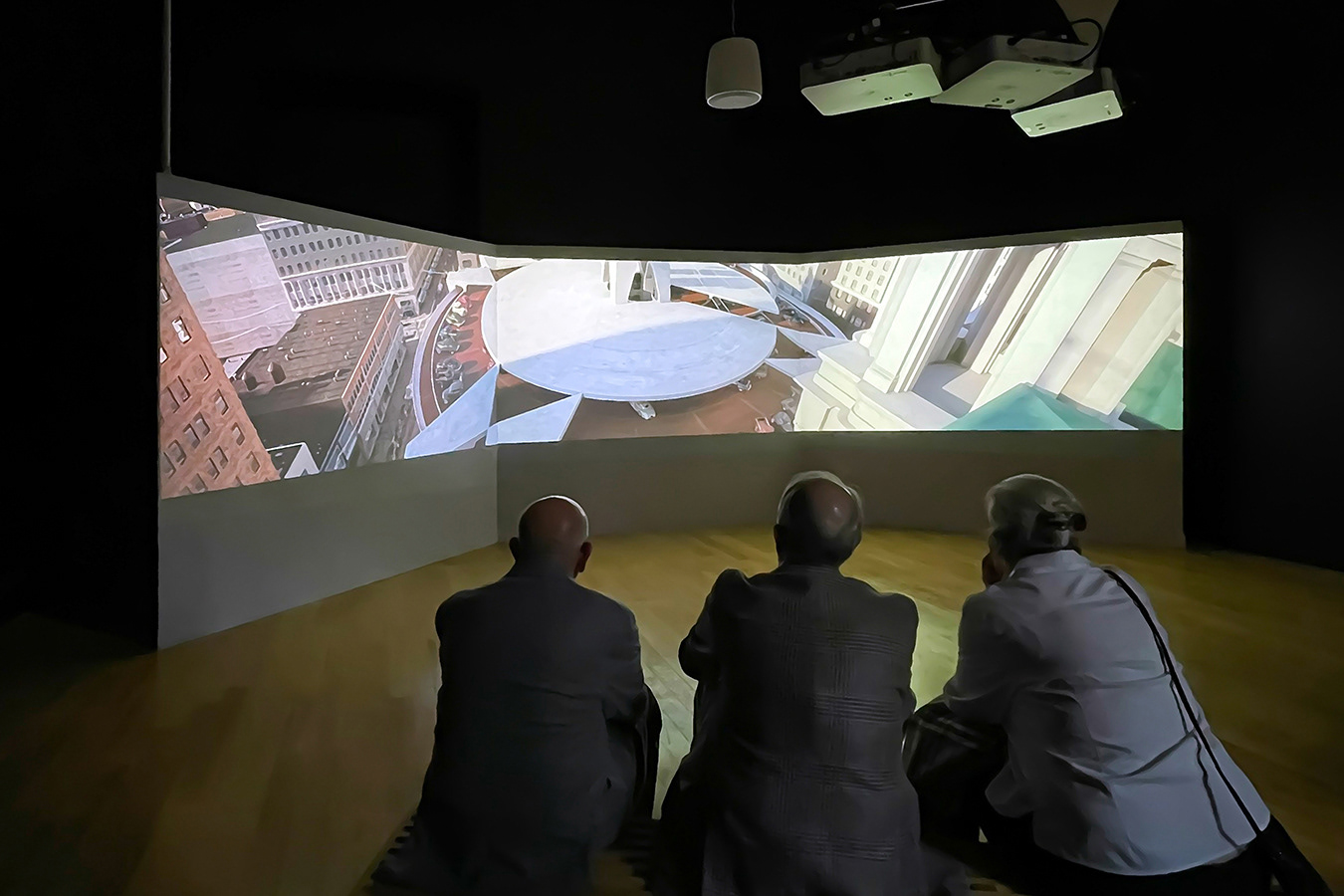
Through drawings, photographs, archival materials, original Wright furniture, and media installations, visitors traced Wright’s evolving ideas from concept to construction. Five unrealized projects were brought to life to show their potential impact, culminating in an immersive tri-screen installation that transported visitors into Wright’s unbuilt world.
Objective
—
Reconfigure fifteen thematic sections across four galleries while honoring the curator’s original vision. Update the checklist and interpretive materials to align with the host venue’s strategic standards without losing narrative clarity.
—
Reconfigure fifteen thematic sections across four galleries while honoring the curator’s original vision. Update the checklist and interpretive materials to align with the host venue’s strategic standards without losing narrative clarity.
Challenge
—
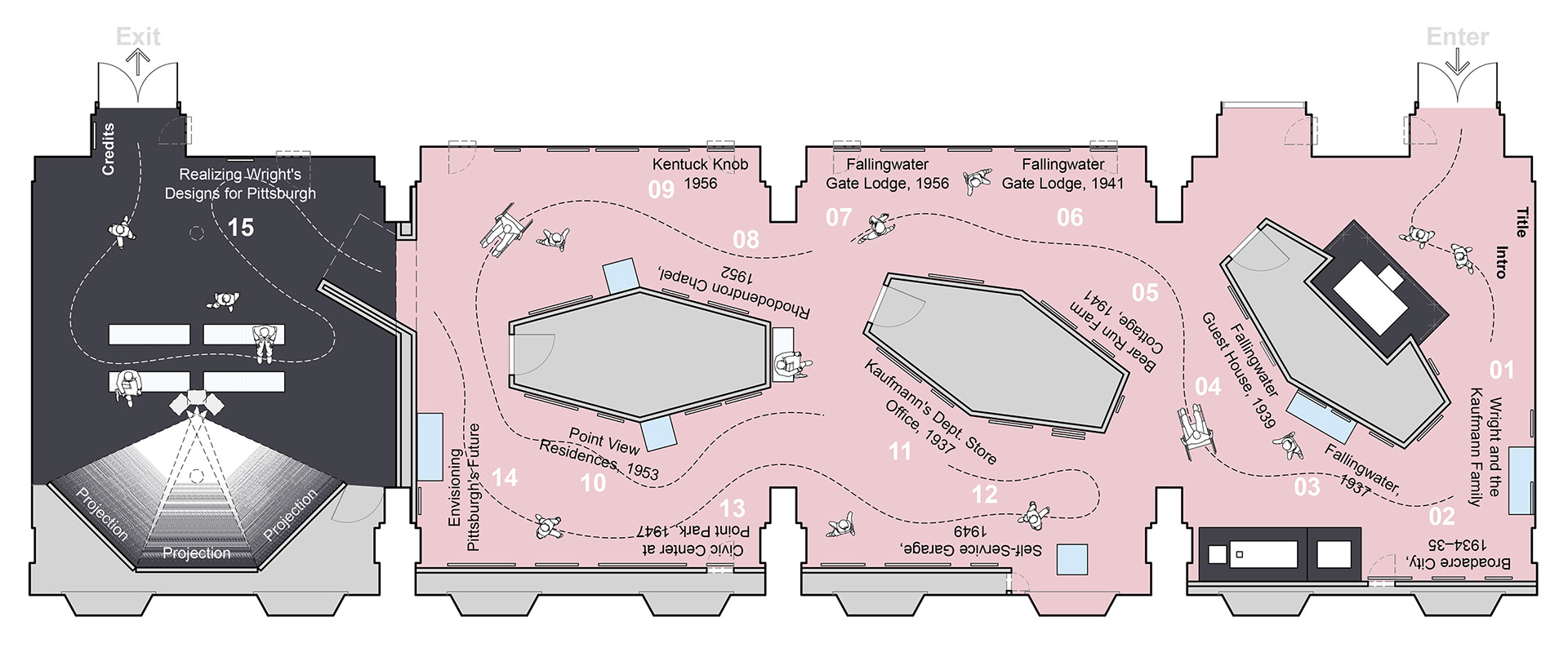
Adapt the exhibition from a 4,000-square-foot open layout at The Westmoreland Museum of American Art to a 3,600-square-foot suite of four bayed galleries at the National Building Museum. The new footprint required reshaping circulation and sightlines while preserving the story’s pacing and cohesion.
—
Adapt the exhibition from a 4,000-square-foot open layout at The Westmoreland Museum of American Art to a 3,600-square-foot suite of four bayed galleries at the National Building Museum. The new footprint required reshaping circulation and sightlines while preserving the story’s pacing and cohesion.
Approach
—
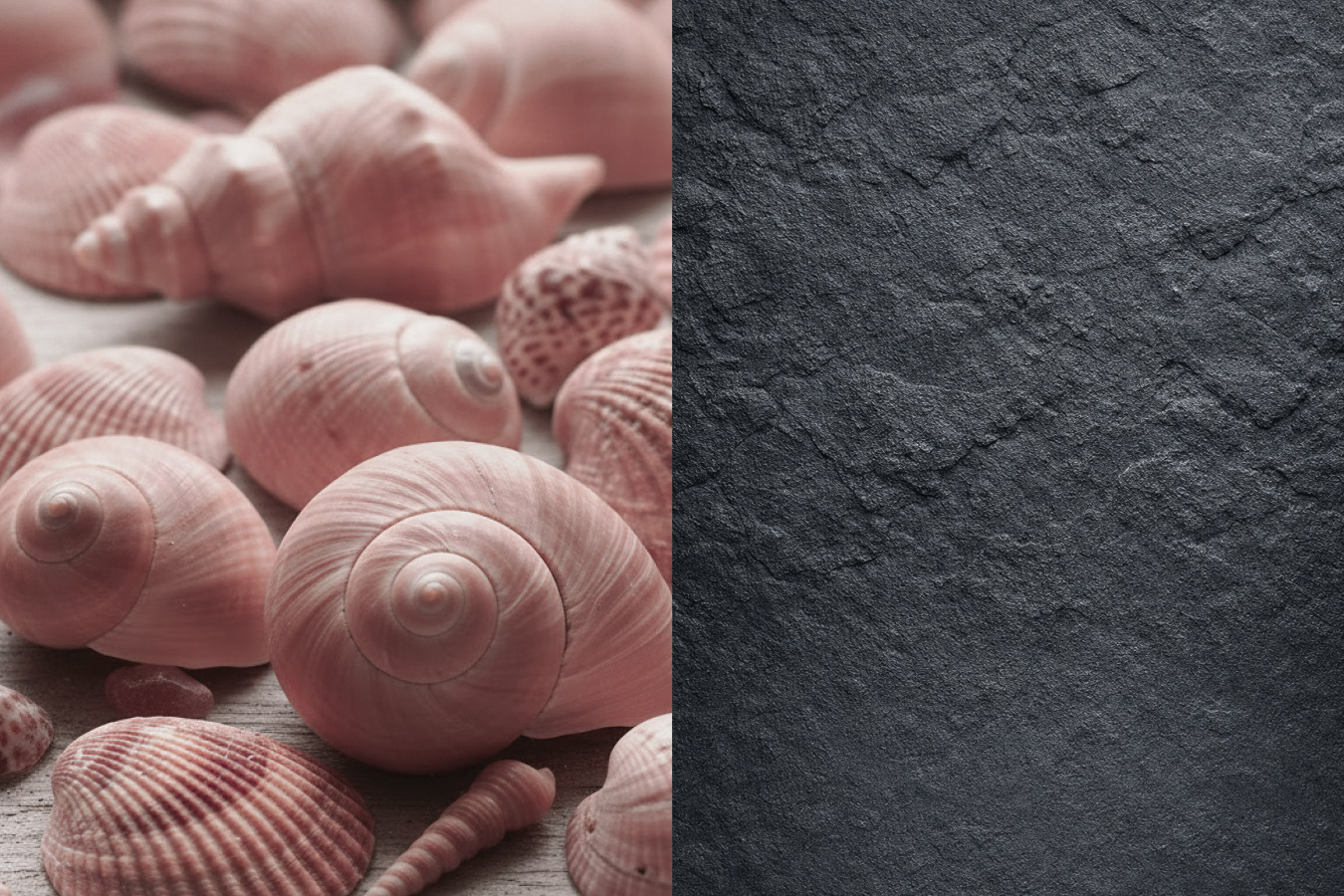
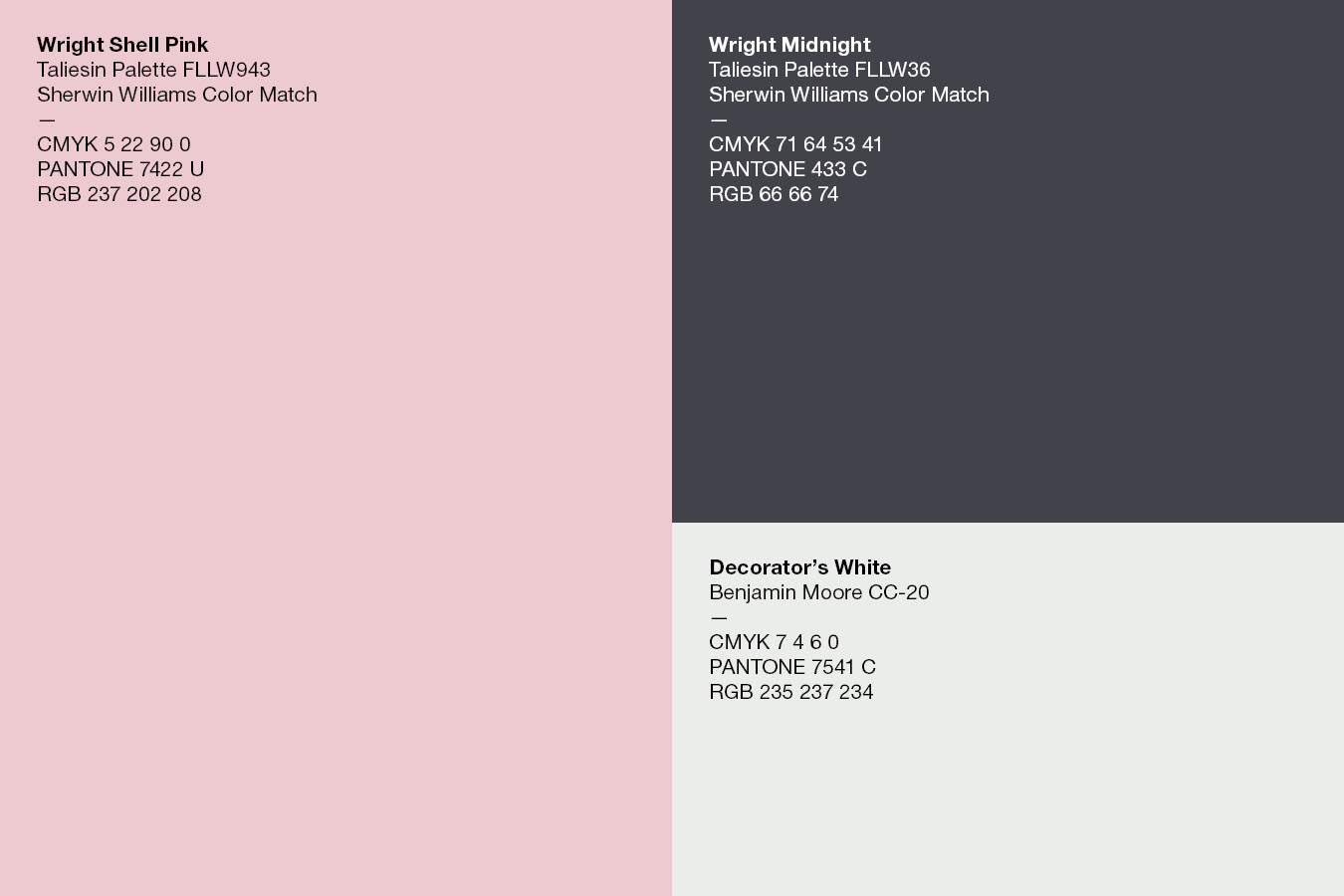
Inspired by Wright’s fascination with geometry, we structured the exhibition around rotating pods with angled walls at the center of three galleries. These forms doubled as display and concealed storage, shaping sightlines and creating rhythm. Two hues from Wright’s 1955 Taliesin Color Palette warmed the space, balanced by crisp white overhead architecture.
—
Inspired by Wright’s fascination with geometry, we structured the exhibition around rotating pods with angled walls at the center of three galleries. These forms doubled as display and concealed storage, shaping sightlines and creating rhythm. Two hues from Wright’s 1955 Taliesin Color Palette warmed the space, balanced by crisp white overhead architecture.
Story Plan
Outcome
—
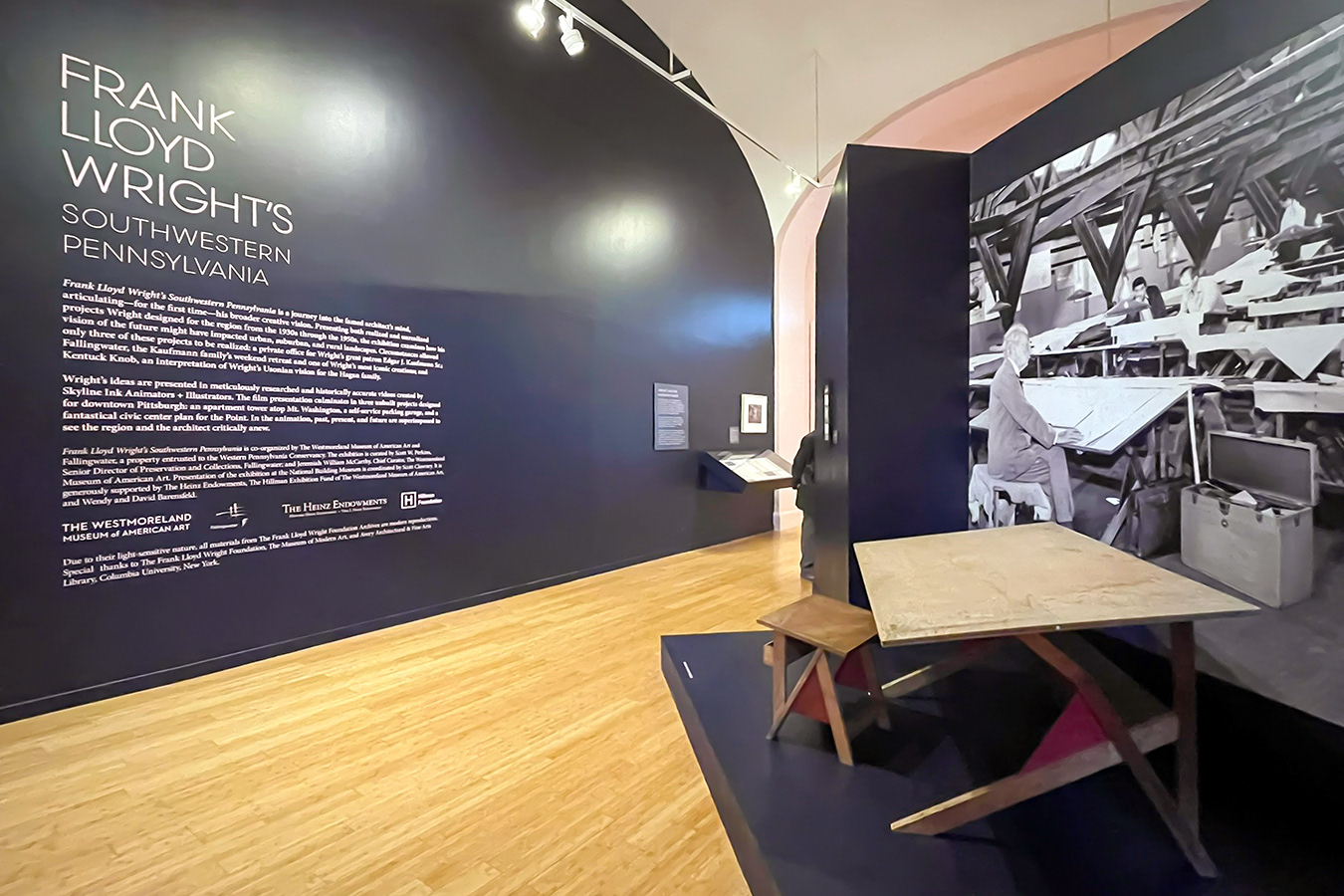
An immersive mural of Wright in his Taliesin drafting room, anchored by his drafting table and stool, greeted visitors at the exhibition entrance. As they moved through the galleries, animations transformed unbuilt designs into vivid possibilities. The tri-screen finale enveloped visitors in his visionary world, leaving many inspired by the ambition and imagination behind his work.
—
An immersive mural of Wright in his Taliesin drafting room, anchored by his drafting table and stool, greeted visitors at the exhibition entrance. As they moved through the galleries, animations transformed unbuilt designs into vivid possibilities. The tri-screen finale enveloped visitors in his visionary world, leaving many inspired by the ambition and imagination behind his work.
Project Details
—
Venue: National Building Museum
Size: 3,619 SF
Content: Objects (61), Videos (9), Tri-screen Animation (1), Murals (7)
—
Roles: Exhibition Coordination and Design
—
Co-organizers: The Westmoreland Museum of American Art and Fallingwater
Co-curators: Scott W. Perkins and Jeremiah William McCarthy
Coordinating director: Caitlin Bristol
Animators: Skyline Ink Animators + Illustrators
Coordinating graphic designer: Matt Blum
Photos © Scott Clowney
—
Venue: National Building Museum
Size: 3,619 SF
Content: Objects (61), Videos (9), Tri-screen Animation (1), Murals (7)
—
Roles: Exhibition Coordination and Design
—
Co-organizers: The Westmoreland Museum of American Art and Fallingwater
Co-curators: Scott W. Perkins and Jeremiah William McCarthy
Coordinating director: Caitlin Bristol
Animators: Skyline Ink Animators + Illustrators
Coordinating graphic designer: Matt Blum
Photos © Scott Clowney